
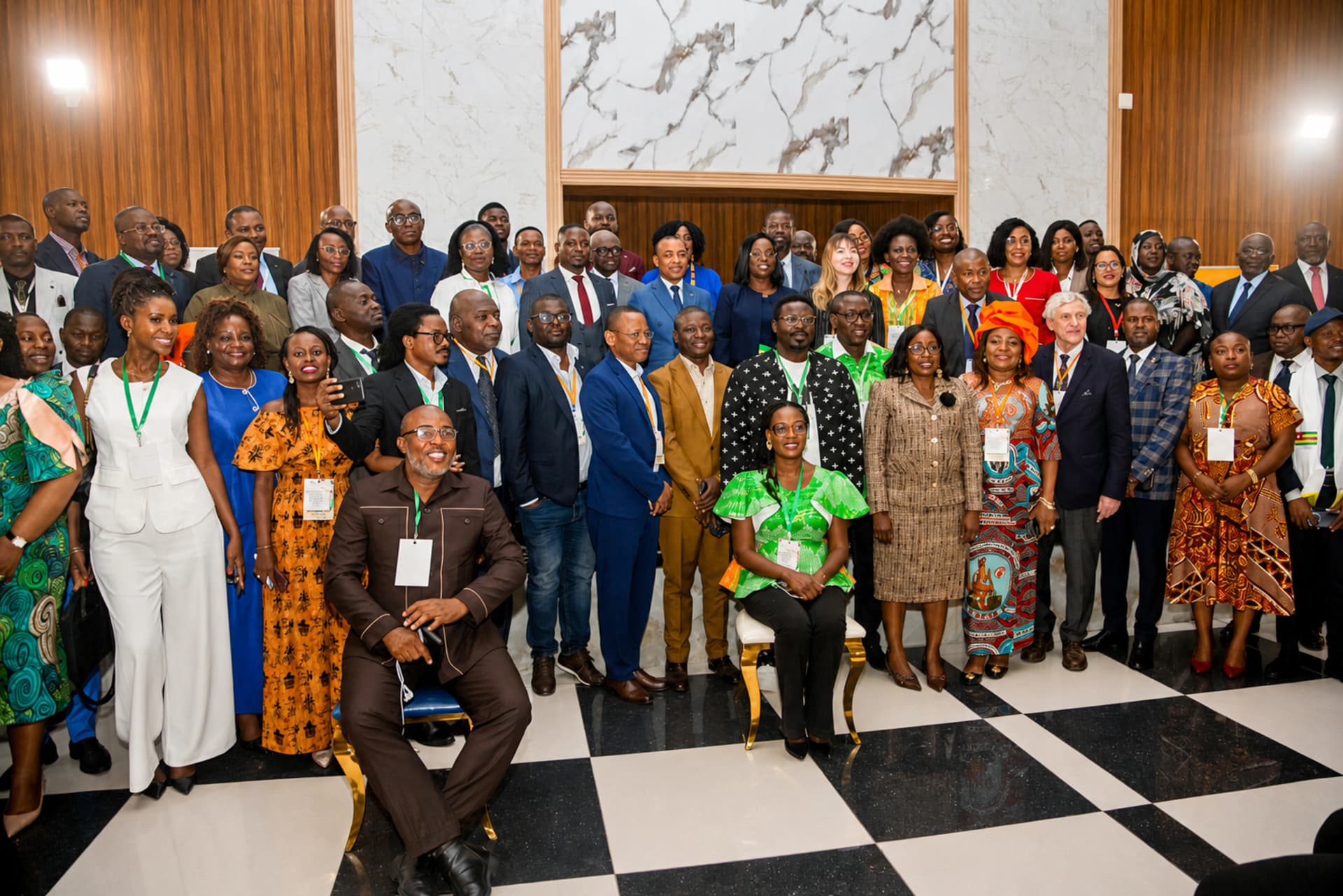
Held under the high patronage of His Excellency Brice Clotaire Oligui Nguema, President of the Gabonese Republic, Gabon hosted the first edition of the International Francophone Press Conference (CIPREF), a major five-day event bringing together leading Francophone media stakeholders to discuss contemporary information challenges.
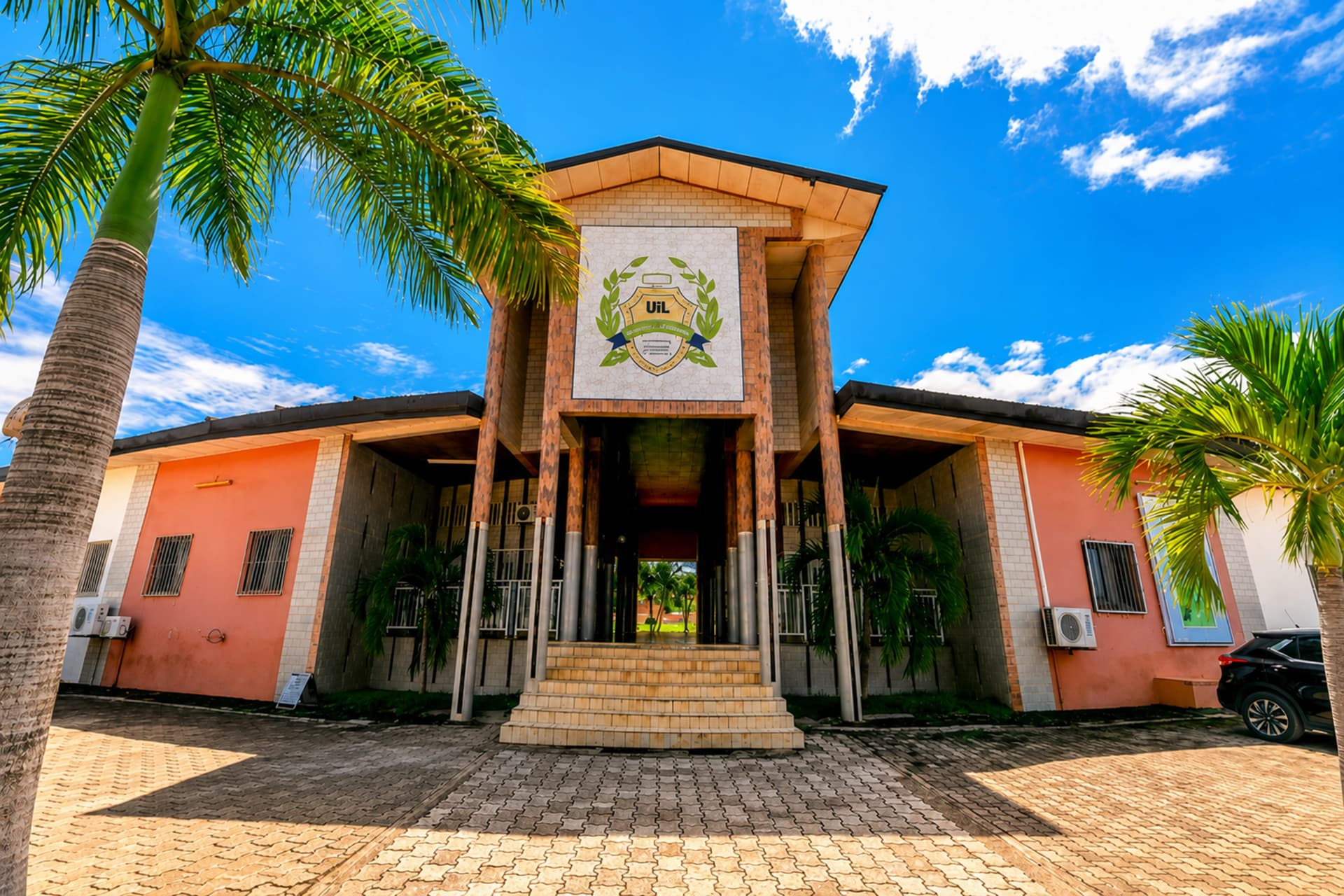
Université Internationale de Libreville Berthe & Jean (UIL-BJ) hosted the first three days of the international conference, devoted to scientific, technical and professional work. This strategic choice confirms UIL-BJ’s position as a leading academic and intellectual centre engaged in major discussions about the development of media and technology.
Artificial intelligence at the centre of the discussions
The conference focused on the central theme “Artificial intelligence and its impact on the media”, a current issue that is profoundly reshaping journalistic practices, economic models and the relationship between media and their audiences.
Through round tables and thematic workshops, participants addressed several key sub-themes, including:
- introduction to artificial-intelligence tools for journalists, including assisted writing, intelligent information monitoring and automated fact-checking
- deepfake detection and the fight against digital disinformation, crucial issues for media credibility
- artificial intelligence as a driver of change in audiences, information and media creativity
These rich and interactive discussions brought together experts, researchers and media professionals, encouraging the sharing of experience and good practice.
A presentation of the work and its prospects
At the end of the third day, the work was presented along with the main recommendations from the discussions, highlighting the need to build ethical, technical and institutional frameworks suited to the integration of artificial intelligence into Francophone media.
A major Francophone mobilisation
UIL-BJ hosted more than 100 journalists and experts from 25 countries in the Francophone area and beyond, including South Africa, Benin, Burkina Faso, Burundi, Cameroon, Canada, Congo-Brazzaville, Côte d’Ivoire, France, Gabon, Guinea (Conakry), Equatorial Guinea, Madagascar, Mali, Mauritania, Mayotte, Niger, the Democratic Republic of the Congo, Romania, Rwanda, Senegal, Chad, Togo and Aosta Valley. This international mobilisation reflects a shared determination to structure a Francophone space for reflection and action capable of responding collectively to technological and information changes.
Comments (0)
Be the first to comment on this article.